
Evidence
What is the economic value of literacy and numeracy?
Even in OECD countries, where an increasing proportion of the workforce has a university degree, the value of basic skills in literacy and numeracy remains
Even in OECD countries, where an increasing proportion of the workforce has a university degree, the value of basic skills in literacy and numeracy remains
Using data from the OECD’s Program for International Student Assessment (PISA), which tests basic skills of 15-year-olds across many countries, the report finds that eliminating
“One of the primary learning methods for children is imitation. They imitate what they hear and what they see. It is this ability to imitate

“It is my firm belief that giving the parent the idea of “the book as a tool” will do more for the dual purpose of
“When we take the time to read aloud to the children in our lives, we bond closely with them in a secret society associated with

Children from disadvantaged backgrounds, very remote areas, and Indigenous Australians are up to two times more likely to start school developmentally vulnerable than the national
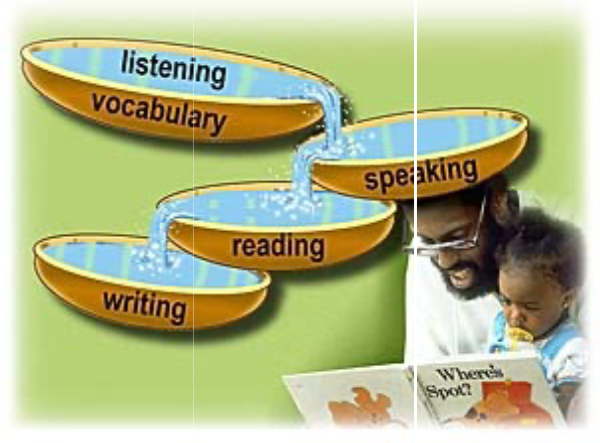
The first skill is LISTENING. It’s highly unlikely you’ll ever say a word if you’ve never heard the word. The child starts SPEAKING the words

Research has found that reading storybooks to children is one of the most important activities for developing the knowledge required for eventual success in reading
Lorem ipsum dolor sit amet, consectetur adipiscing elit, sed do eiusmod tempor incididunt ut labore et dolore magna aliqua. Ut enim ad minim veniam, quis
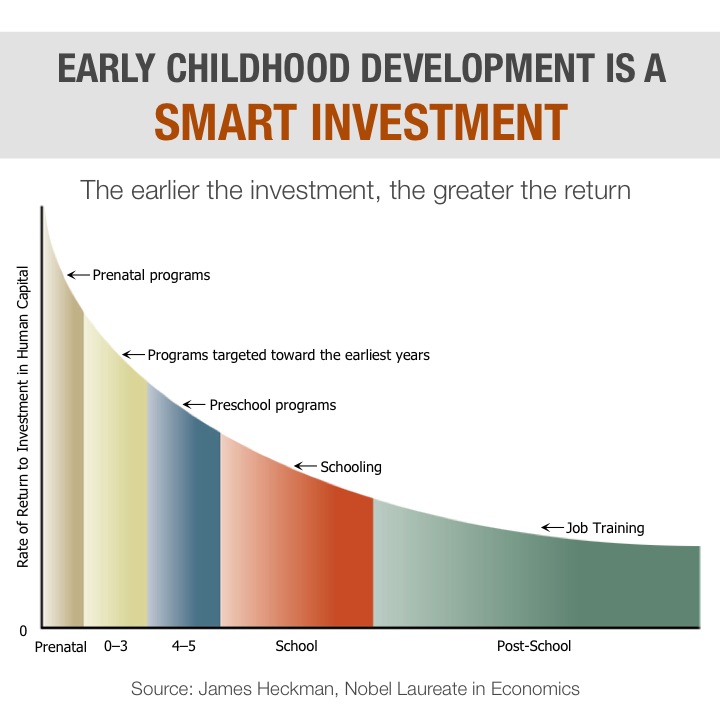
Early childhood education is an efficient and effective investment for economic and workforce development. The earlier the investment, the greater the return on investment.